EV Insights & Updates

If you drive an EV in Canada, you probably notice pretty quickly that ownership isn’t just about the car itself. It’s about how everything works together over time. At first, most people focus on range. How far can I go? ...
The industry has progressed to the point that many modern cars leave the factory with wheels that dwarf even the largest aftermarket wheels from just a decade ago.
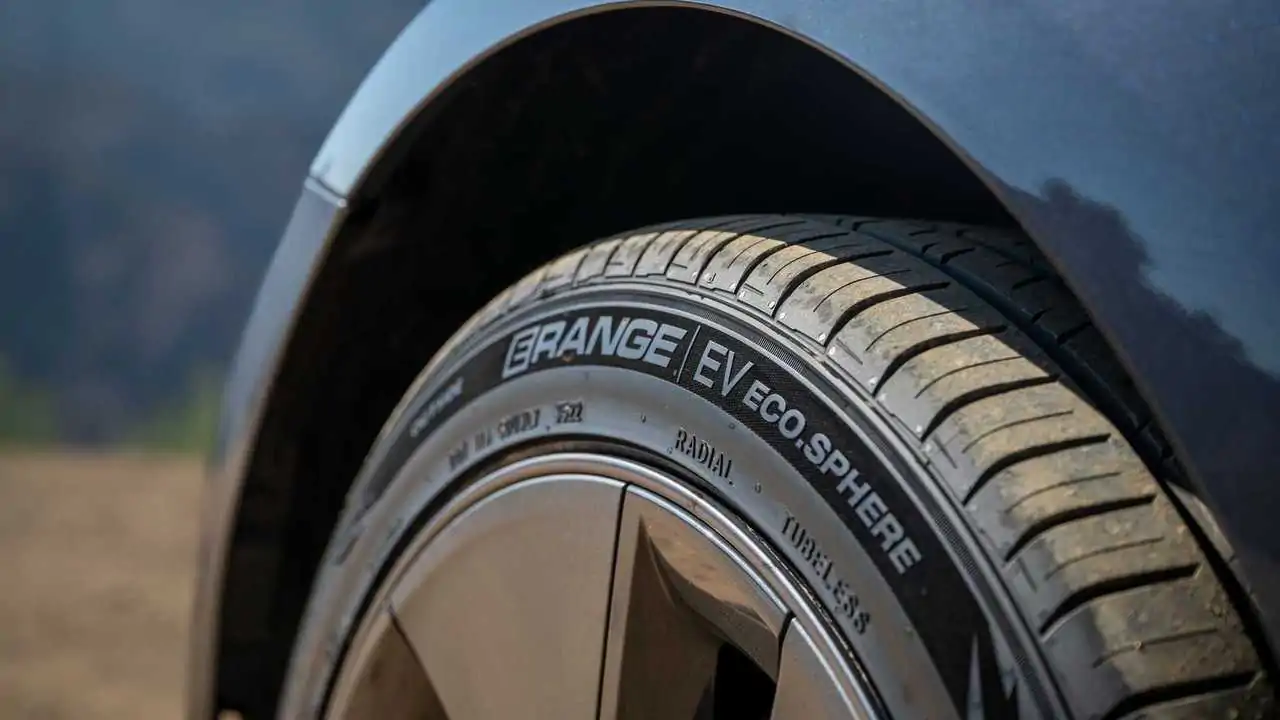
When you buy a new EV, you might notice that the tires look a little different than the set you had on your last gas vehicle. Automakers often opt for low rolling-resistance tires, and those that help maximize the range of electric vehicles, but even the greenest tires need care to last and perform at their best.
Tires designed specifically for electric and hybrid vehicles help optimize range charge time and tread life. Find out how these tires performed in our road test.
Electric vehicle range estimates have become less of an issue as more models offer driving distances comparable to gas vehicles, but there are still plenty of factors that impact an EV’s efficiency.
Tires designed specifically for electric vehicles are different from standard tires. They’re designed to do different things. Do their differences mean that EV tires can’t be repaired like standard tires if they’re losing air due to a foreign object like a nail or a piece of glass? Not necessarily, though the process may be more involved.
Despite the growing popularity of EVs, range anxiety remains a significant concern for many drivers. Engineers continually strive to extend battery life, develop more efficient charging points, and optimise engine designs.